Prototype & Production
Plan early builds and later production requirements through one documented technical path.
Move from fabrication files to finished bare boards with project-specific engineering review, material and stackup confirmation, controlled production processes, and verification aligned with your requirements.
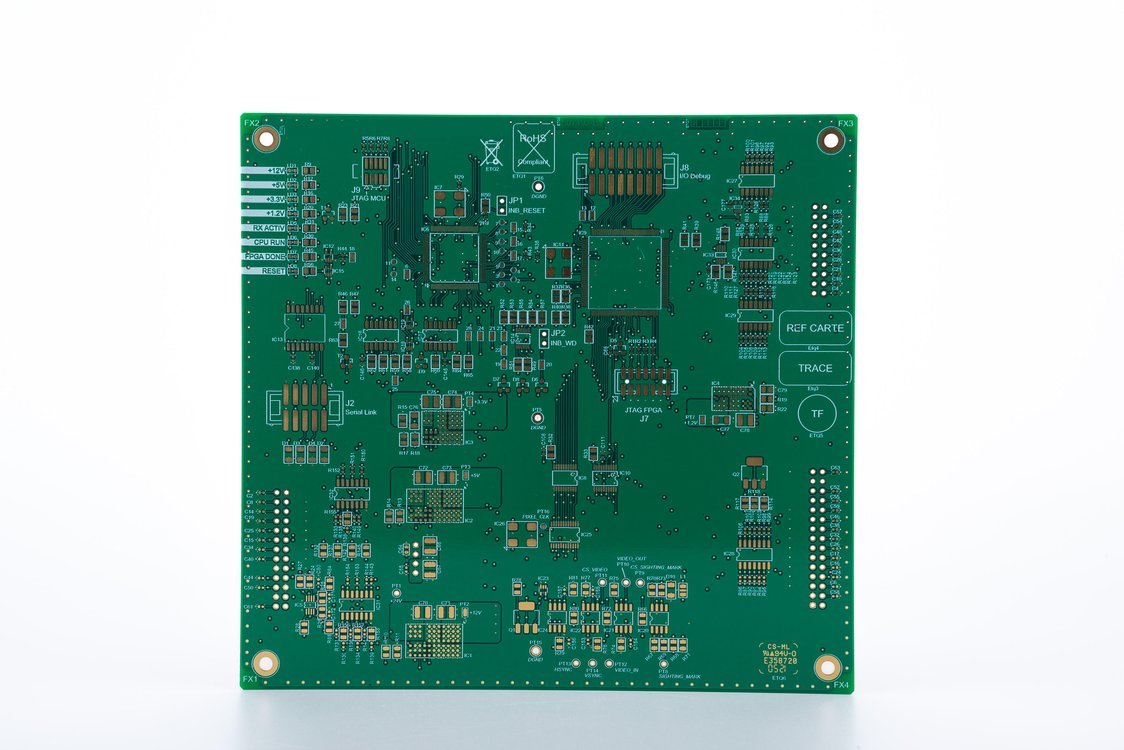
PCB sourcing decisions depend on more than board type. Material behavior, stackup, copper distribution, hole structure, surface finish and inspection scope must work together. GlobalWin reviews these inputs as one manufacturing package before production release.
Use this page to identify the right PCB category, prepare the required files and move into a detailed engineering review.
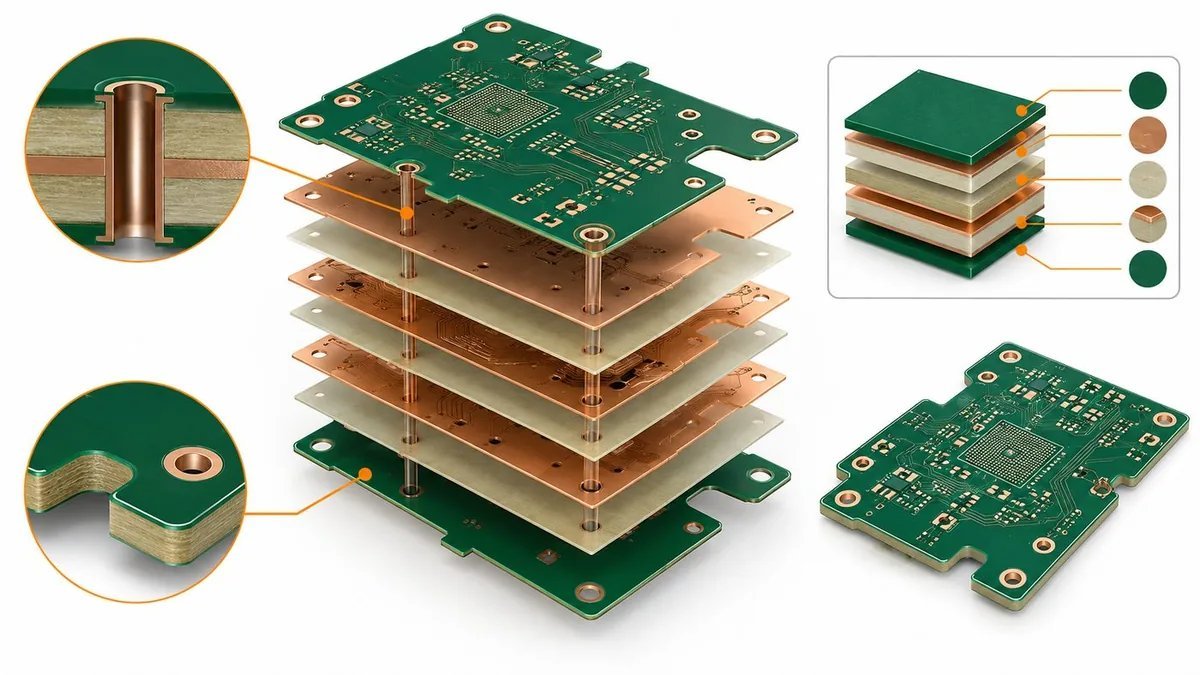
Plan early builds and later production requirements through one documented technical path.
Identify file, stackup, spacing and process risks before the board enters fabrication.
Confirm the substrate and finish against electrical, thermal and assembly needs.
Define inspection, electrical test and reporting requirements for the specific project.
Each category leads to a focused page for materials, structures, design checks and RFQ requirements.
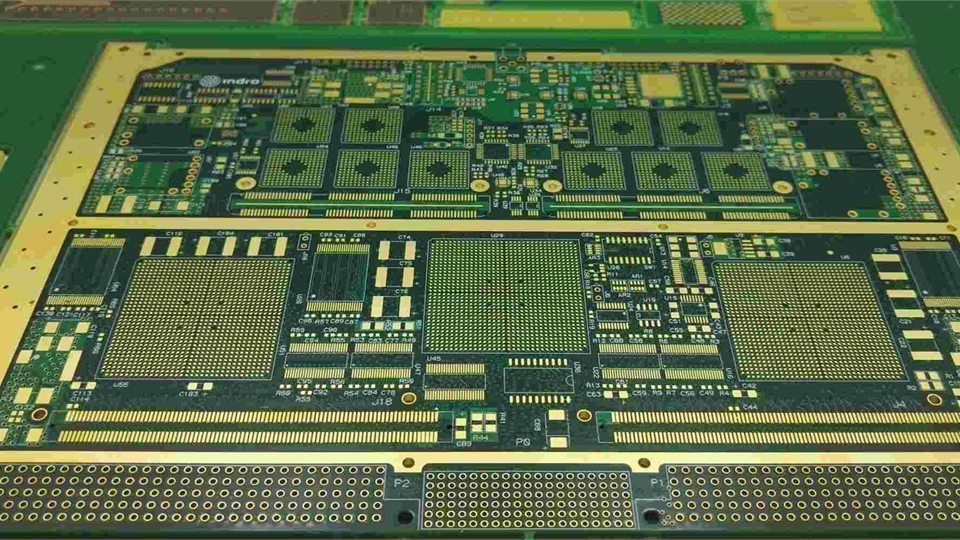
Stackup planning, lamination, impedance and interlayer registration for complex rigid boards.
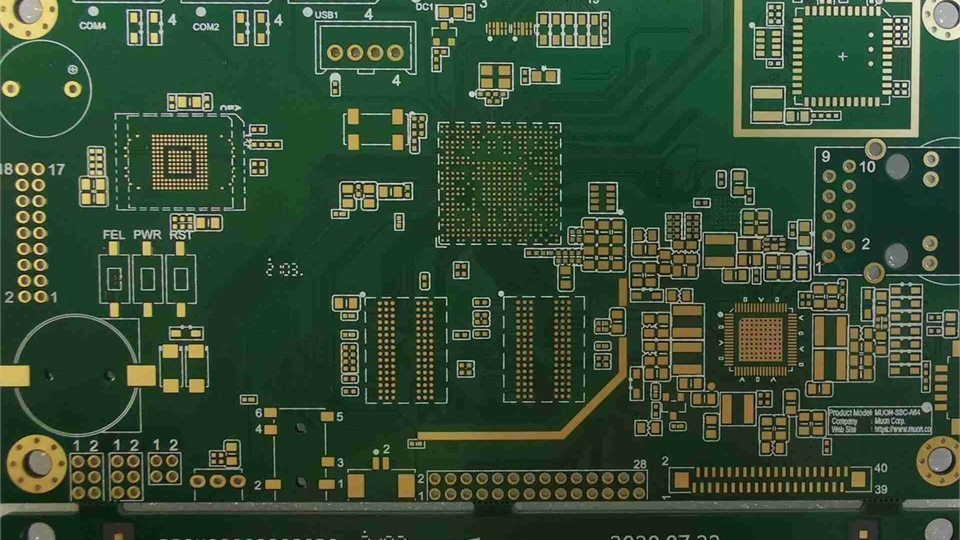
Microvias, blind and buried vias, via-in-pad and dense interconnect structures.
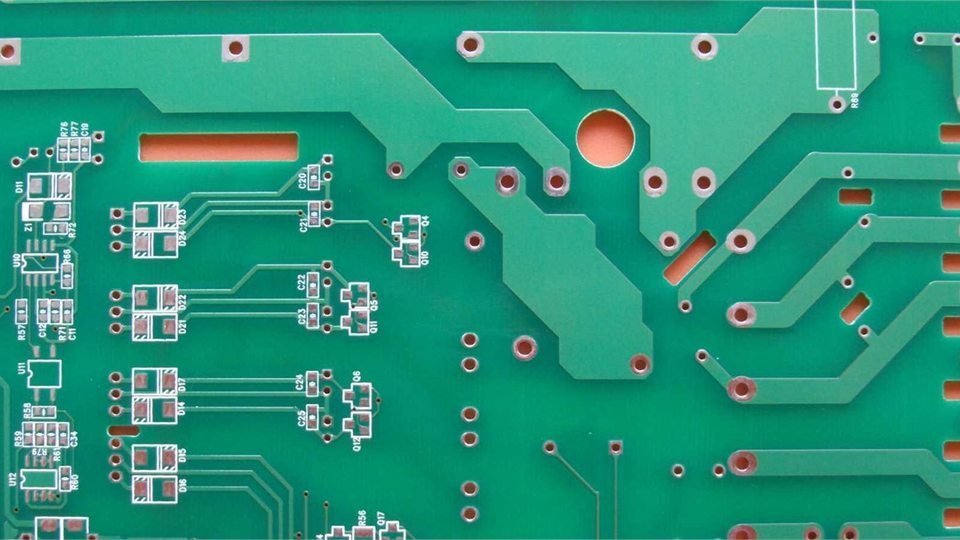
Copper distribution, etching allowances and thermal paths for high-current designs.
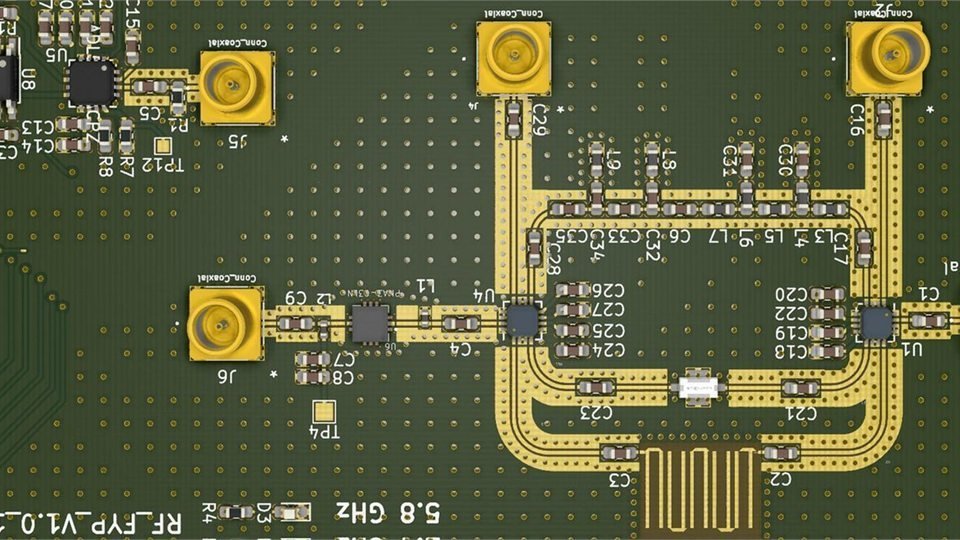
Low-loss materials, controlled impedance and hybrid construction for RF and microwave designs.
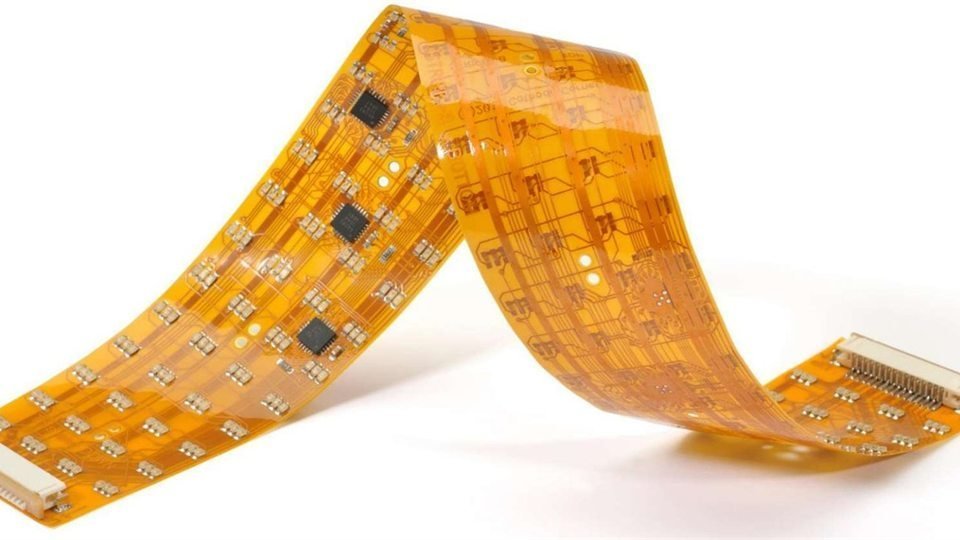
Polyimide circuits with coverlay, stiffeners and bend-area considerations.
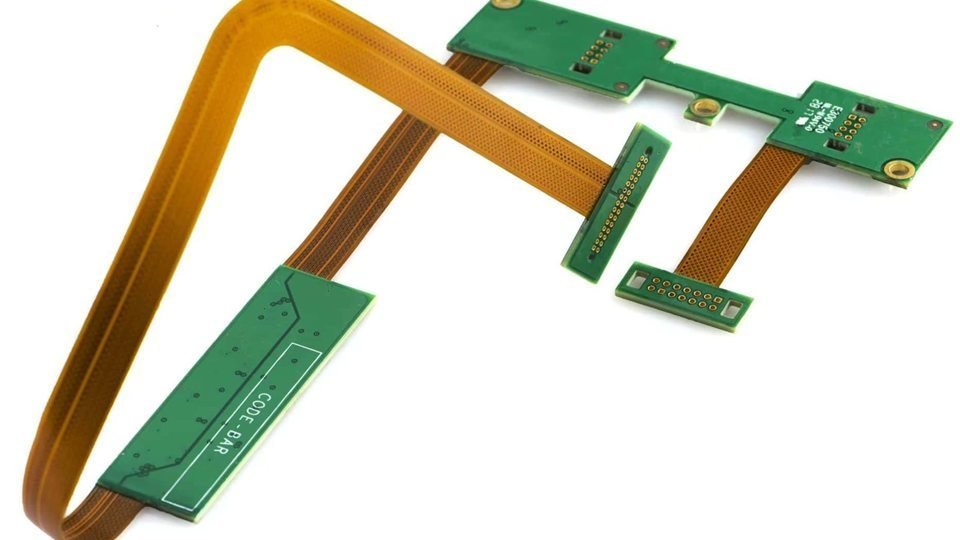
Rigid and flexible sections coordinated through one stackup and transition design.
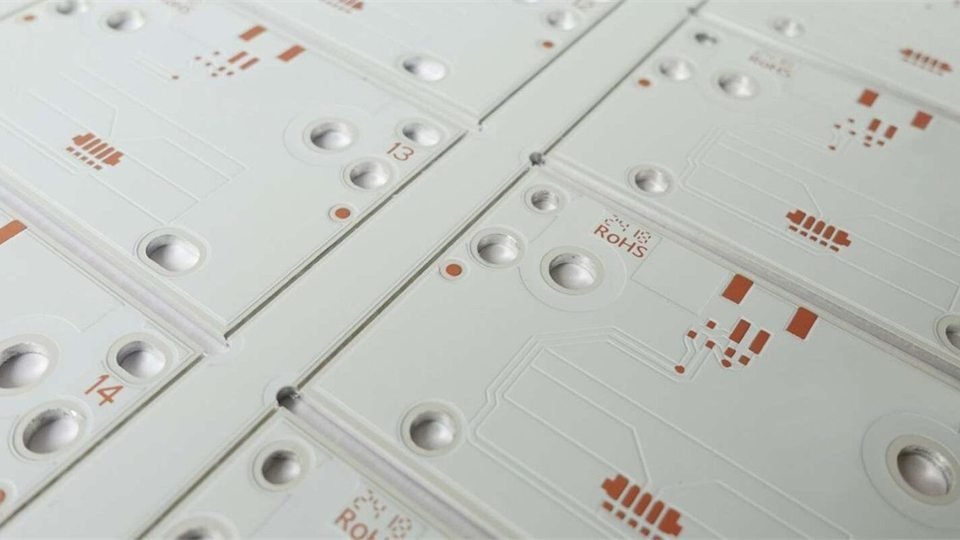
Aluminum or copper-base constructions designed around insulation and thermal transfer.

Fabrication support for engineering validation before the design moves toward production.
Review the board construction, materials and inspection requirements together with your complete design files.
| Capability group | Items covered | Engineering review inputs |
|---|---|---|
| Board construction | Layer count, board thickness, panel size, rigid, flex and rigid-flex structures | Share the construction details and manufacturing requirements for engineering review. |
| Conductor features | Copper weight, minimum trace and spacing, controlled impedance and copper distribution | Share the construction details and manufacturing requirements for engineering review. |
| Drilling and via | Mechanical holes, laser microvias, blind and buried vias, via-in-pad and backdrilling | Share the construction details and manufacturing requirements for engineering review. |
| Materials | FR-4, high-Tg, RF and low-loss laminates, flexible, metal-core and ceramic materials | Specify the laminate family, grade and any acceptable alternatives for review. |
| Surface finishes | Lead-free HASL, ENIG, hard gold, ENEPIG, OSP, immersion tin and immersion silver | Specify the required finish and any assembly or application restrictions. |
| Inspection and test | AOI, electrical test, flying probe, X-Ray where applicable, visual and dimensional inspection | Define the test coverage, acceptance criteria and reports required for your project. |
Manufacturability, materials and inspection requirements are reviewed against the complete design and agreed project scope.
Availability and suitability depend on the approved material list, stackup, finished thickness, copper and assembly process.
Use performance requirements and preferred laminate references to begin engineering review.
Finish selection should account for assembly, flatness, contact wear, storage and signal requirements.
Prototype learning, approved changes and production requirements should remain connected through documented review.
Collect fabrication data, drawings, quantities and critical technical requirements.
Review manufacturability, stackup, material, via and impedance requirements.
Fabricate the agreed prototype configuration for technical evaluation.
Complete the defined inspection and electrical-test scope for the build.
Record approval, observations and any controlled design updates.
Release the confirmed data set and production-specific requirements.
Check the completed lot against the agreed documentation and test scope.
Prepare the finished boards and agreed project records for shipment.
The exact route varies with the board construction. These stages provide a clear overview without replacing the project traveler or approved process documentation.
Discuss inspection methods, test coverage and reporting requirements for your PCB project.
These answers define the information needed for review without promising a price or turnaround before the files are checked.
Provide Gerber or ODB++ fabrication data, NC drill files, a board outline and available drawings. Include quantities, material, thickness, copper weight, surface finish, impedance and test requirements where applicable.
Include the complete stackup, microvia and blind/buried-via definitions, sequential build-up intent, via-in-pad requirements and any controlled-impedance structures.
Identify each impedance target, tolerance, referenced layers and trace structures. Share the proposed stackup when available so material and geometry can be reviewed together.
The page groups common FR-4, high-Tg, RF, flexible, metal-core and ceramic material families. Exact grades and availability must be confirmed against the approved material list for the project.
The choice depends on assembly, flatness, contact wear, storage, wire bonding and signal requirements. Share the end-use conditions so the options can be reviewed.
Yes. Providing both quantity stages and the intended production requirements helps keep prototype decisions aligned with later releases, subject to project review.
Testing is confirmed for each project. The review should define electrical-test coverage, inspection stages, reporting needs and any additional verification required by the customer.
Engineering review considers the laminate, copper, finished thickness, lamination route, hole structure, impedance and mechanical requirements as one construction.
Share your fabrication files, quantity and assembly requirements.